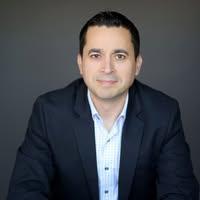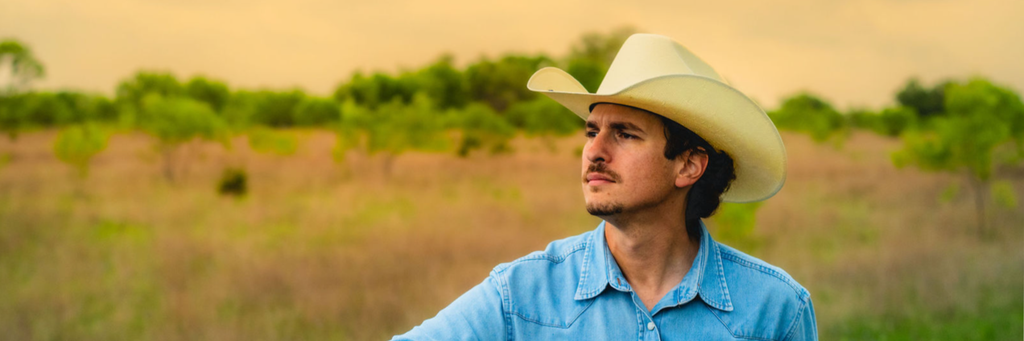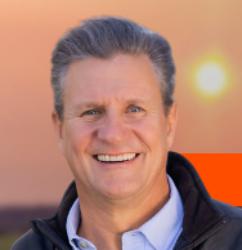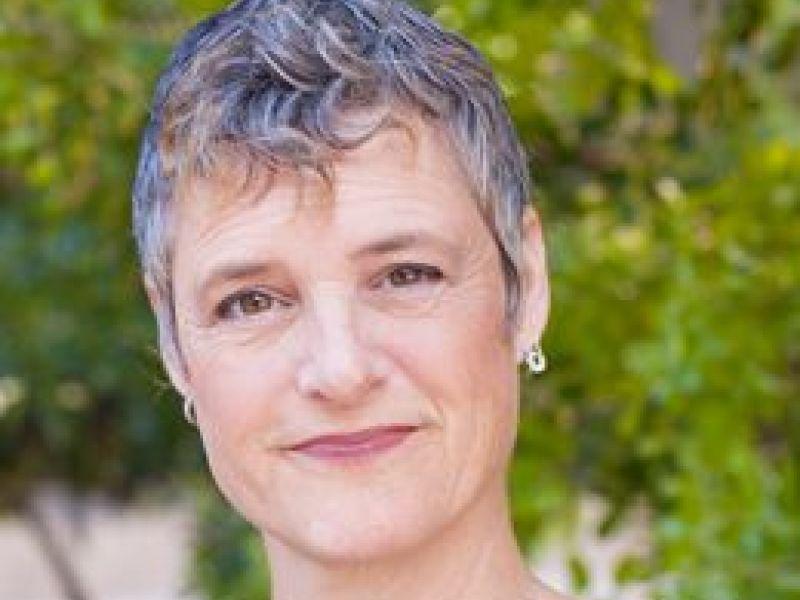
Kevin McCormick is running for Texas lieutenant governor as the Green Party's nominee in the Nov. 3, 2026, general election. He faces Republican Dan Patrick, Vikki Goodwin of the Democratic Party and Libertarian Anthony Cristo, according to BallotReady election data. McCormick is certified for the ballot.
Asked why he is running, McCormick said in our questionnaire: "Texas voters need to break out of the duopoly corral. Electoral reform is necessary to give more power to voters. I am running for Lieutenant Governor to give voters a candidate who will fight for necessary reforms such as electoral system reform to empower voters and help restore democracy."
Candidate information
Party: Green Party
Occupation and work history: "I have practiced law, worked in agriculture, managed small business, and taught high school math. I am familiar with all the regions of Texas. I am presently retired, which is why I have time to run for office," McCormick said in our questionnaire.
Education: "I have a Law degree from the University of Houston Law Center and a BA in Political Science from the University of Texas San Antonio," McCormick said.
Family: "Myself and my wife live near Lindale, Texas. We have two grown children," McCormick said.
Experience and public service
McCormick listed no previous elected offices. He said in our questionnaire that he has served as co-chair of the Dallas County Green Party and co-chair of the Green Party Banking and Monetary Reform Committee.
On the issues
Top three priorities for the 2027 legislative session: The lieutenant governor sets the Texas Senate's agenda and appoints committee chairs. Asked about his top priorities, McCormick said: "1) Invest in public transportation by expanding bus fleets in Texas cities to reduce traffic congestion and make alternatives available; 2) Invest in the rural economy to establish family farm greenhouse food production cooperatives, provide a solid foundation for hemp production and processing, improve infrastructure and promote sustainable agriculture; and 3) Reform the Election Code to adopt ranked-choice voting in all elections, establish a statewide single primary election for candidates, and meaningfully limit gerrymandering of electoral districts, including a constitutional amendment to create a non-partisan redistricting commission."
He added: "Texas needs to control data center exploitation of resources, update and modernize water resource management, improve public education, develop a public health policy, and reform the property tax system, among other things."
Differences from other candidates: McCormick said: "I am not bound to any set of wealthy donors or political elites and am not obligated to any special interest. This gives me the ability to actually serve the public interest." He said Republicans "use Libertarian Party ideas" and Democrats "use Green Party ideas" during campaigns, but "after the election they both serve the same donor class and Wall Street corporations."
Senate two-thirds rule: Asked whether the Senate should keep its rule requiring 18 of 31 senators to agree before a bill reaches the floor, McCormick said: "I believe a number like 14 may be better, so more issues can be brought to a vote and the positions of the senators made public."
Property taxes and school funding: McCormick said he has "proposed reforming the property tax system by basing appraisals on economic value instead of speculative value, which would reduce property taxes for most Texans." On public schools, he said: "The state allotment for public schools must be increased so they suffer no loss of funding. I also believe that funding should be moved to classroom resources and more teachers from bureaucracy and high-stakes testing. The voucher program should be means-tested so that only families who need, but cannot afford, an alternative are eligible."
Hemp-derived THC regulation: McCormick said legal hemp-derived THC products "should be regulated by requiring a license to sell; accurate labeling requirements disclosing ingredients, potency, and source; prohibiting sales to minors; prohibiting health claims in advertisements." He added: "I personally do not favor recreational marijuana or alcohol use and have not decided what I think about a tax on THC products."
Candidate responses were collected through our Surround Sound News questionnaire. All policy positions are the candidate's own claims.