Dallas County reports first West Nile death of 2026
Dallas County has reported its first West Nile virus death of the year, prompting health officials to urge residents to continue preventing mosquito bites as temperatures cool.
The man, who was in his 60s and had underlying medical conditions, developed West Nile neuroinvasive disease, a severe form of the illness. Dallas County Health and Human Services announced the death Wednesday, Oct. 7. Officials withheld additional identifying information to protect his privacy, according to FOX 4.
The warning applies to Sachse, which extends into Dallas and Collin counties. The county has not identified the community where the man lived.
DCHHS Director Dr. Philip Huang said cooler weather does not mean mosquito-borne illness is no longer a threat. He urged residents to protect themselves from bites and eliminate mosquito breeding sites around their homes.
Preventing mosquito bites
County health officials recommend the “four Ds”:
- DEET: Apply insect repellent containing DEET or another EPA-registered active ingredient, following label instructions.
- Dress: Wear long, loose, light-colored clothing outdoors.
- Drain: Empty standing water around homes and workplaces, or treat water that cannot be drained.
- Dusk to dawn: Limit outdoor exposure during the hours when mosquitoes that spread West Nile are most active.
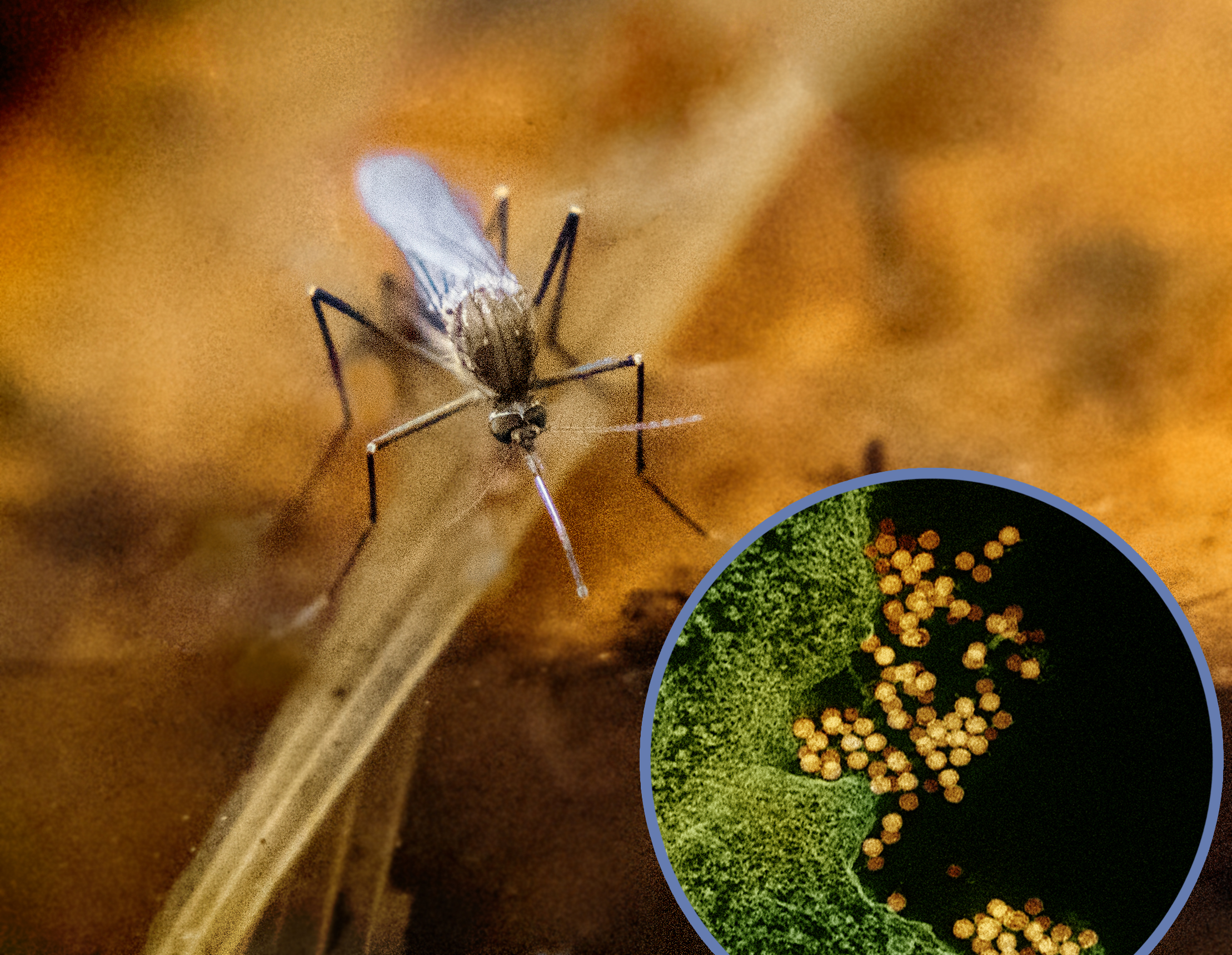
Mosquitoes can acquire West Nile virus by feeding on infected birds and transmit it to people through bites.
Symptoms and when to seek care
Most people infected with West Nile develop no symptoms. About one in five experiences illness that can include fever, headache, body aches, vomiting, diarrhea or a rash, according to the Centers for Disease Control and Prevention.
Less than 1% develops severe illness affecting the central nervous system. Symptoms can include confusion, seizures, muscle weakness and paralysis. Older adults and people with certain underlying medical conditions face a greater risk of severe disease.
The CDC advises seeking immediate medical attention for high fever, neck stiffness, muscle weakness, confusion or tremors.
There is no licensed West Nile vaccine for humans and no specific antiviral treatment. People with severe illness may need hospitalization for supportive care, according to CDC treatment guidance.
Residents can follow mosquito surveillance trends and reported human cases through the DCHHS arbovirus dashboard.