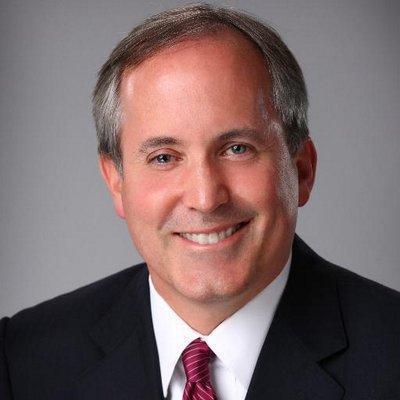
Texas Attorney General Ken Paxton is running for U.S. Senate on a Republican platform emphasizing tax deductions, border security and support for President Donald Trump’s agenda.
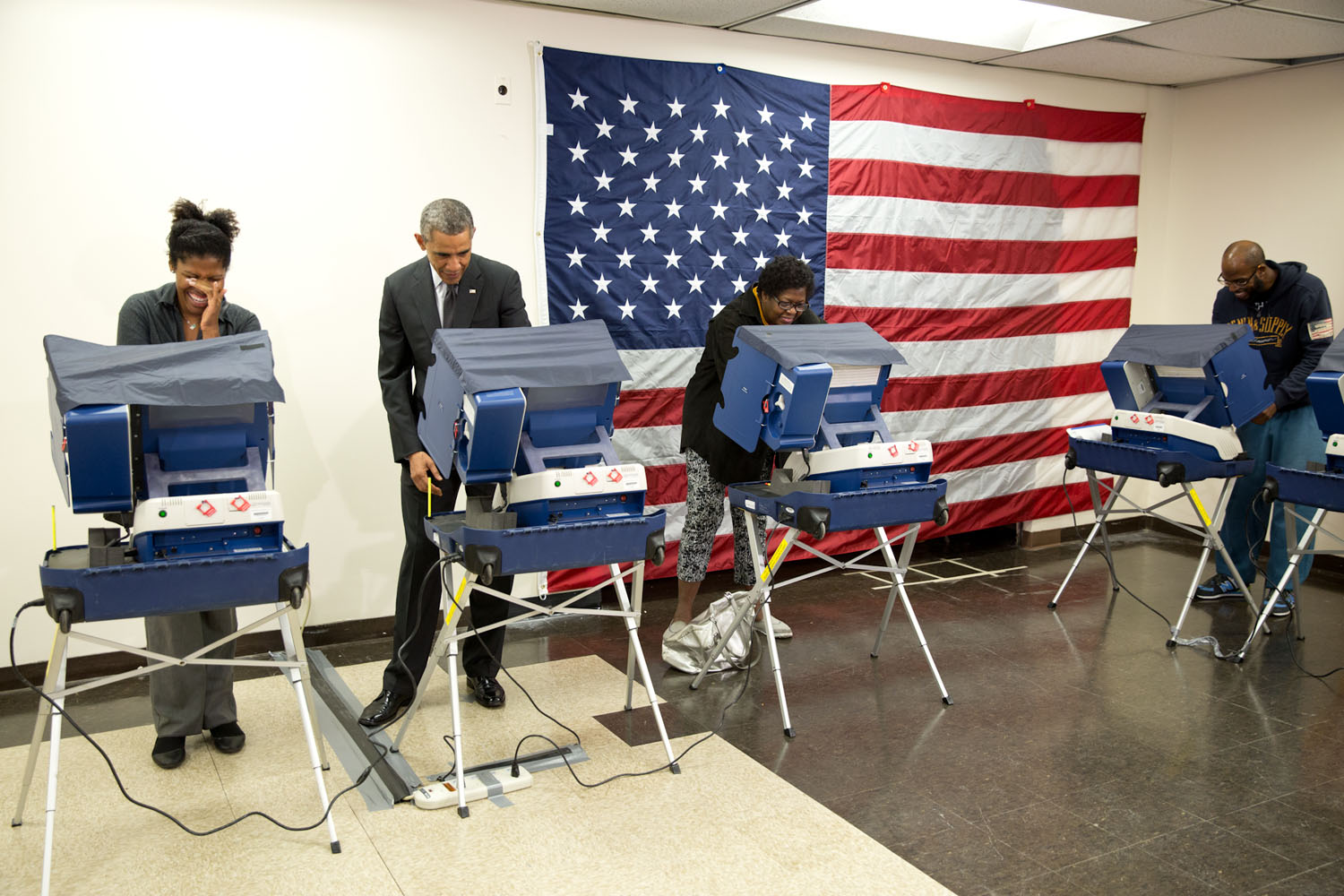
Paxton faces Democrat James Talarico and Libertarian Ted Brown in the Nov. 3, 2026, general election. Murphy, Wylie and Sachse voters will see the statewide race on their ballots.
Paxton became attorney general in January 2015 after winning election in November 2014, according to the attorney general’s office. He previously represented Collin County-area districts in the Texas House from 2003 to 2013 and the Texas Senate from 2013 to 2015.
He holds undergraduate and business degrees from Baylor University and a law degree from the University of Virginia.
Taxes, healthcare and household costs
Paxton’s economic plan centers on new federal tax deductions for medical expenses, home purchases and healthy-living costs.
The proposal includes a $25,000 deduction for a taxpayer’s out-of-pocket medical expenses, including insurance premiums, with an additional $25,000 per dependent. He also proposes a $5,000 deduction for expenses such as gym memberships, nutrition programs, children’s sports and qualifying weight-loss medications.
For housing, Paxton proposes a $50,000 deduction for first-time homebuyers and a separate $50,000 down-payment deduction for people purchasing another primary residence. The deductions could be claimed in addition to the standard deduction, according to The Texas Tribune’s report on the plan.
Paxton also proposes doubling the maximum Child Tax Credit to $4,400 and permanently extending the federal contribution to eligible children’s savings accounts.
These proposals would require congressional approval. A deduction reduces taxable income rather than providing an equivalent cash payment, so household savings would depend on eligibility, qualifying expenses and tax circumstances.
For Murphy, Wylie and Sachse residents, the proposals could reduce federal income taxes for qualifying families and homebuyers. They would not directly change local property-tax rates. The plan’s announcement did not provide a complete cost estimate or identify enough spending reductions or other revenue to establish how all the tax benefits would be financed.
Border security and immigration
Paxton supports completing the border wall and deporting immigrants with criminal records, according to campaign statements compiled by BallotReady.
He presents his work as attorney general alongside state and local law enforcement as part of his border-security record. His Senate campaign emphasizes cooperation with Trump on immigration enforcement.
A senator could vote on immigration laws, enforcement funding and executive-branch appointments. Deportation decisions and border operations would remain responsibilities of federal agencies operating under applicable law.
Changes could affect immigrant families, employers and federal enforcement spending. The statements supplied for this profile do not specify the scope, cost or timetable of Paxton’s proposed measures.
Energy, manufacturing and regulation
Paxton supports reducing regulations on energy companies and advancing policies intended to increase domestic manufacturing and employment, according to the campaign positions compiled by BallotReady.
The supplied statements do not identify a detailed legislative package, regulatory changes or implementation budget. Effects on North Texas employers, energy prices and household costs would depend on the measures ultimately adopted.
Guns and abortion
Paxton describes protecting Second Amendment rights and opposing abortion as campaign priorities.
The statements reviewed for this profile do not identify specific federal gun legislation or establish which federal abortion restrictions he would support. His positions on those broad priorities should therefore be distinguished from a detailed legislative commitment.
Federal legislation in either area would require congressional approval and could face constitutional challenges.
The office’s authority
A U.S. senator serves a six-year term and can introduce legislation, vote on federal taxes and spending, review presidential appointments and conduct oversight.
Paxton could advocate for his proposals and negotiate with other lawmakers, but he could not enact them alone. Major changes would require approval by Congress and the president, or sufficient congressional support to override a veto.
This profile draws on official service records, campaign positions compiled by BallotReady and reporting on Paxton’s economic proposals. The Murphy-Wylie-Sachse Courier did not receive a direct questionnaire response from the candidate and does not endorse candidates.