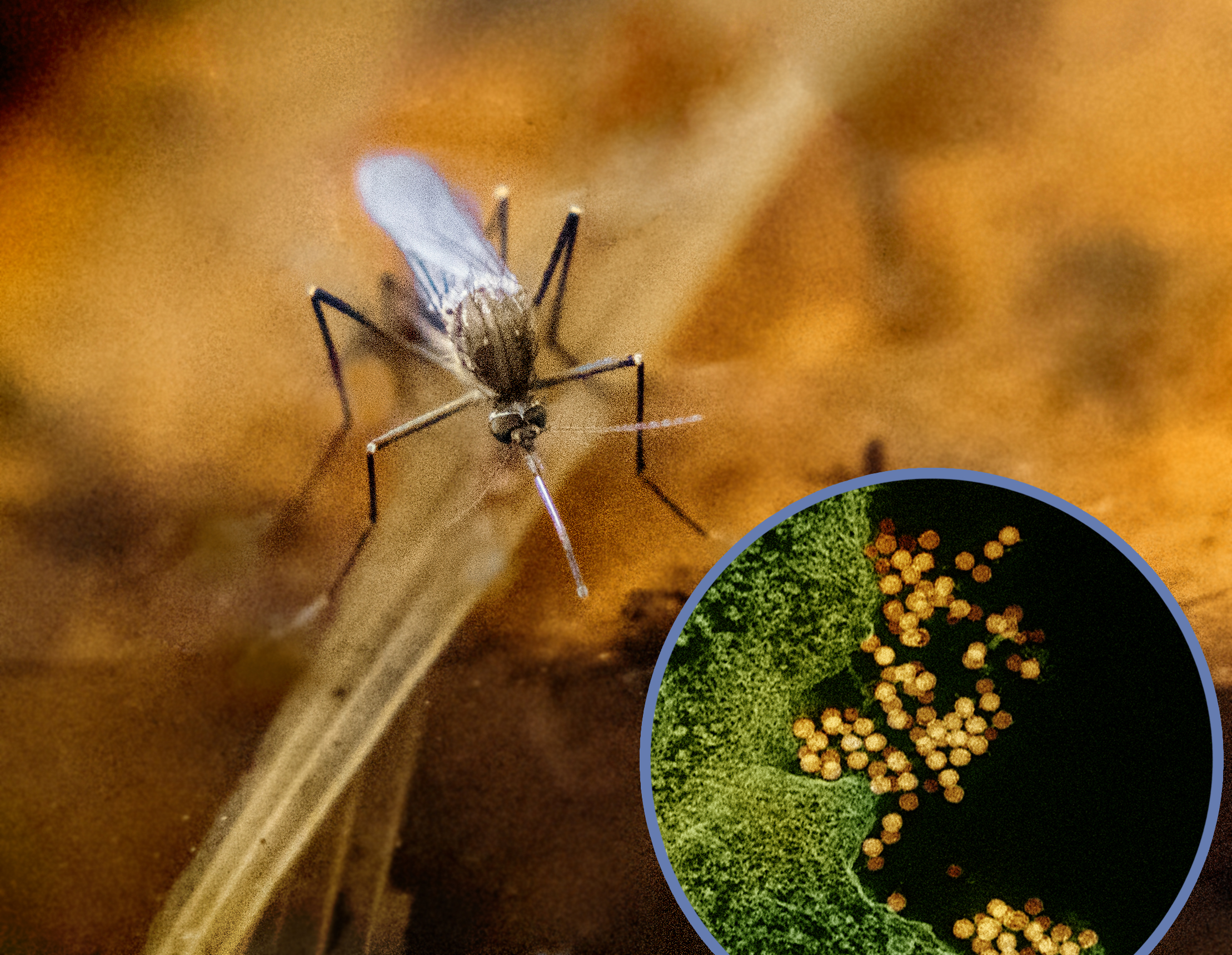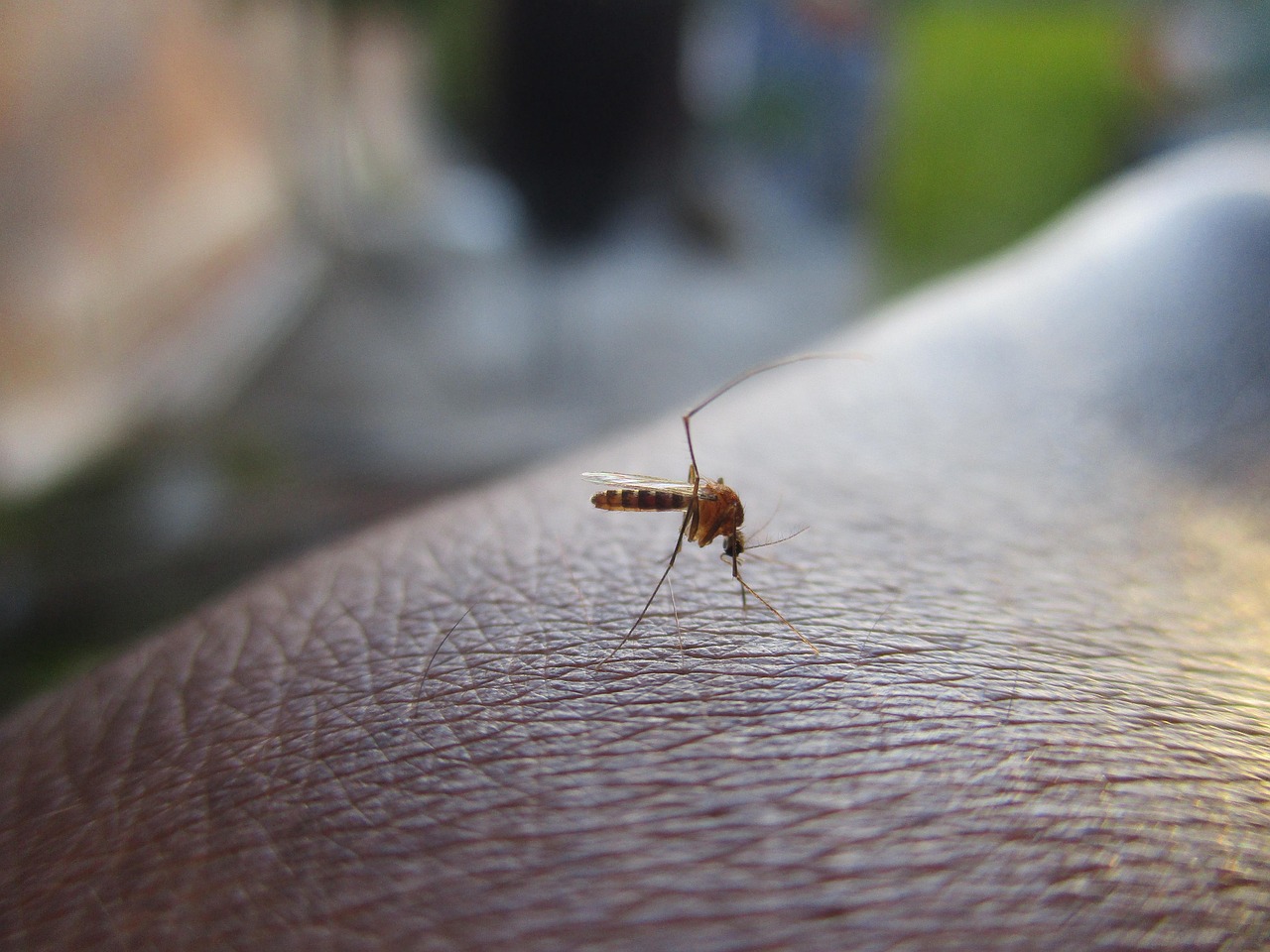
Dallas County commissioners voted Tuesday, Aug. 18, to approve interlocal agreements with municipalities for mosquito spraying services, one week after health officials confirmed the county's first human West Nile Virus case of 2026.
The vote was unanimous.
All five members of the Commissioners Court were present: County Judge Clay Jenkins and commissioners Dr. Theresa Daniel, John Wiley Price, Dr. Elba Garcia and Andrew Sommerman, according to the court's official minutes. The agreements authorize Dallas County Health and Human Services to coordinate spraying with cities across the county.
The Dallas County portion of Sachse falls under the county's public health jurisdiction, though the court minutes do not enumerate which municipalities are parties to the agreements. Sachse straddles Dallas and Collin counties, and residents on the Dallas County side would be covered by any county-coordinated spraying effort in their area.
The action follows a summer of escalating mosquito activity. DCHHS identified 167 West Nile-positive mosquito pools across the county as of Aug. 11, when the agency also confirmed a Dallas resident in their early 50s had been diagnosed with West Nile Neuroinvasive Disease, the more severe form of the illness. The first positive mosquito pool of the season was detected in March.
"Our first human case is an important reminder that West Nile virus is still active here in Dallas County," DCHHS Director Dr. Philip Huang said in the agency's Aug. 11 press release confirming the case.
Last year, Dallas County recorded 10 human West Nile cases and one death.
The Aug. 18 meeting also included a standing DCHHS presentation on West Nile and other mosquito-borne diseases, part of the county's routine surveillance during peak mosquito season.
The specific contract dollar amounts and spraying timelines were not detailed in the publicly available court minutes.
DCHHS recommends residents follow the "4Ds" to reduce risk: use DEET-based repellents, dress in long, loose, light-colored clothing, drain standing water around homes and workplaces, and limit outdoor time from dusk to dawn when mosquitoes are most active. Residents can track West Nile activity through the DCHHS Arbovirus Surveillance Dashboard.